
Art Basel Miami Beach officially opened on December 4, 2025, pulling the global art spotlight back to South Florida. The Miami Beach Convention Center filled with collectors, artists, curators, media crews, celebrities, and students all moving through a maze of gallery booths stacked with paintings, sculptures, photography, and installations. For Miami, this week works like an annual cultural reset. Traffic slows near the beach, hotel lobbies buzz nonstop, and pop up shows appear everywhere from storefront galleries to rooftop lounges.
More than 280 galleries from over 40 countries arrived this year. Some focused on museum level artwork with price tags that rival waterfront homes. Others showcased rising artists known primarily through regional scenes or digital platforms. That range defines Basel’s Miami edition. It balances prestige with discovery. Longtime collectors attend to secure blue chip artworks. First time visitors come to soak up creativity and atmosphere. Local artists view it as the ultimate networking moment where the entire industry passes through town at once.
The fair’s opening hours moved fast. Red dots marking sold pieces appeared early and often. Crowd energy surged from booth to booth as deals closed quietly behind partition walls and gallery managers whisked collectors toward private lounges to sign paperwork. Alongside this business pulse ran Miami’s signature sparkle. Camera flashes followed celebrity guests while DJs rehearsed late night sets nearby. Art and nightlife blurred into one constant hum that wrapped the entire city.
Record Breaking Sales Fuel the Week
Sales grabbed attention immediately with a headline purchase that helped anchor the week’s tone. A Gerhard Richter painting reportedly sold for around $5.5 million within hours of the VIP preview opening. Richter is considered a modern master whose work occupies top museum collections worldwide. When pieces from that level change hands so quickly, it signals strong buyer confidence.
Several galleries also confirmed 7 figure transactions tied to major contemporary artists whose market standing has remained stable through shifting global economic trends. Basquiat related works, Yayoi Kusama pieces, and large scale abstract paintings drew steady interest. These purchases weren’t impulsive moments. Most buyers arrived with prepared lists and established dealer relationships. They planned acquisitions months ahead and used the fair as a meeting point to finalize deals under one roof.
Mid priced art also moved quickly. Works priced between $50,000 and $300,000 often sold out by midday previews. Collectors with balanced portfolios tend to focus here, combining known names with emerging voices. This segment helps nurture younger artists who need solid commercial footing before larger institutions start collecting their work. For Miami’s artists and gallery owners, that middle market activity offers practical momentum rather than headline spectacle.
Miami’s Role as a Global Creative Host
Miami didn’t always hold this stature. Two decades ago, the city was more of a seasonal party stop than a recognized art center. Art Basel changed that dynamic. Annual international exposure seeded permanent growth. Galleries set up full time locations. Museums expanded exhibition schedules. Private collectors invested in local institutions and education programs.
Wynwood transformed from a warehouse district into a street art destination with massive murals lining nearly every block. The Design District turned into a curated hub for fashion art mashups with installation pieces sharing sidewalks with luxury storefronts. Downtown and Allapattah evolved into collaborative spaces housing studios, residency programs, and pop up galleries.
Basel now taps into this broader foundation. Visitors wander far beyond the convention hall. Many spend days exploring local neighborhoods, discovering independent artists and community galleries. That creates lasting relationships that extend beyond the week itself. Miami’s cultural economy thrives because international interest spills into year round creative spending rather than remaining confined to a single event.
VIP Culture and Celebrity Energy
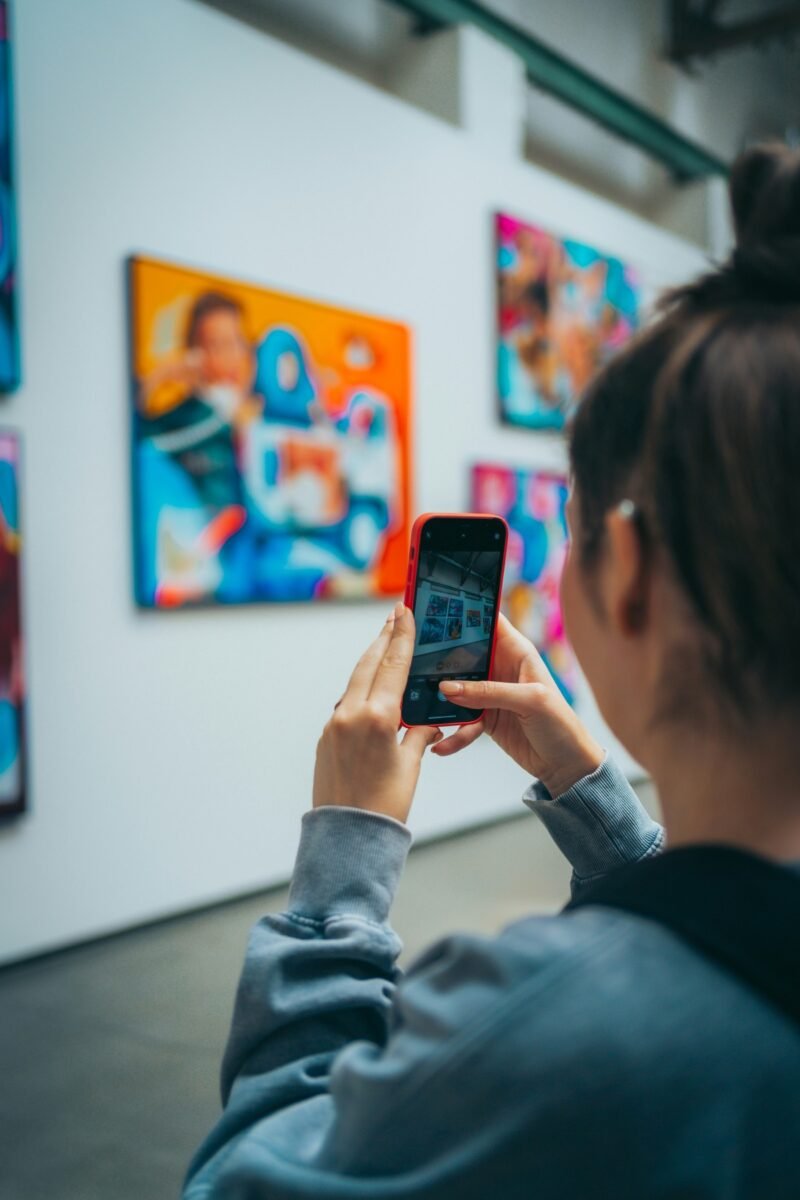
VIP previews shape Basel’s opening days. These invite only sessions allow collectors early access before public hours begin. Tickets function through gallery referrals or institutional sponsorships. These previews keep transactions focused and orderly while maintaining exclusivity.
Celebrity presence adds curiosity without overwhelming the professional intent. Musicians, actors, fashion designers, and tech founders attend primarily as buyers or supporters rather than publicity seekers. Still, photographers track sightings closely, and nightlife promoters often host closed door dinners tailored around these guests.
Behind that glitter, negotiations remain practical. Gallery representatives guide collectors through documentation details including provenance records which confirm an artwork’s ownership history. Authenticity certificates accompany many purchases to guarantee legitimacy for future resale or museum loans. Sales infrastructure operates quietly despite the glamorous setting.
Satellite Fairs Expand the Artistic Reach
Art Basel anchors Miami Art Week, but dozens of satellite fairs expand the citywide programming. NADA Miami focuses on emerging contemporary artists and less established galleries. Untitled Art Fair positions itself along the beachfront with tents featuring installation heavy work that emphasizes experimentation over prestige labels.
Community exhibitions flourish simultaneously. Neighborhood galleries schedule group shows highlighting Florida based creators. Pop up projects activate empty storefronts for short exhibitions lasting only days. Independent curators organize outdoor sculpture walks and projection art festivals accessible without ticket barriers.
These activities allow everyday residents to enjoy Art Week without stepping into high security fair halls. Locals walk their dogs past murals being painted live. College art students attend pop up talks with visiting curators. Families stroll through waterfront installations while listening to free DJ performances.
Nightlife Becomes Part of the Art
Miami nightlife integrates seamlessly with Art Week. Nightclubs, rooftop venues, and beach pavilions coordinate exhibitions inside their spaces. Dancers perform among sculptures. Projection art pulses behind DJ booths. Musicians perform live sets inspired by gallery installations displayed earlier in the day.
Major venues across South Beach and Wynwood transformed into mixed use creative spaces rather than remaining standard clubs. Guests move between viewing exhibits and dancing often within the same building. Social interaction centers on discovery as much as celebration.
Smaller listening lounges also thrive. These spaces host jazz sessions, experimental electronic performances, and acoustic showcases curated alongside visual shows. The boundary between gallery opening and music event disappears. Miami’s signature party culture blends with creative exploration creating an accessible gateway into contemporary art appreciation.
Community Impact on Miami Residents
For locals, Art Basel week brings mixed reactions. Businesses thrive from crowded hotels, restaurants, and ride sharing demand. Independent artists benefit from global visibility and sales opportunities. Students gain exposure to international creative networks that typically feel distant.
Challenges remain. Traffic congestion spikes. Hotel prices surge. Some neighborhoods see limited access due to invite only closures around pop up venues. Despite these disruptions, community programming continues to expand each year aimed at making the week more inclusive.
Public art tours, museum free evenings, and student buses now accompany Basel programming to ensure residents benefit regardless of ticket access. Miami’s educational institutions also partner with visiting galleries to provide artist talks and workshops accessible without purchase requirements.
What Made 2025 Stand Out
Three qualities defined this year’s fair. Sales urgency stood out through rapid major purchases during early preview sessions. Collectors demonstrated readiness to finalize deals after a year of cautious spending. That renewed confidence lifted gallery morale across price tiers.
Diversity of programming expanded as satellite fairs emphasized regional voices alongside international installations. Miami based artists found amplified platforms instead of being overshadowed by globally established markets.
Finally, integration between art and nightlife felt stronger. Instead of parallel scenes operating separately, creative showcases blended directly into club and lounge settings. That fusion deepened Miami’s cultural identity by showing how contemporary art can coexist naturally with the city’s social energy.
Art Basel Miami Beach 2025 didn’t rely purely on glamour or celebrity gravity. It delivered measurable market activity, broader community engagement, and stronger cultural blending across the city. As international attention begins to wind down toward the weekend, it leaves Miami with renewed creative visibility that sustains momentum long after the temporary walls of the convention center come down.
The post Inside Art Basel Miami Beach 2025 and the Citywide Art Surge appeared first on Miami Wire.