
How Art Basel Became Miami’s Signature Event
Art Basel Miami Beach started as a satellite of the original Swiss fair but quickly grew into something unique. Every December, Miami Beach turns into a meeting point for artists, collectors, and everyday visitors who want to see what’s new in contemporary art.
This year’s edition features 283 galleries from 43 countries. That scale matters because it shows how Miami isn’t just hosting an event—it’s part of the global art conversation. For locals, it means access to work that might otherwise only be seen in New York, London, or Paris. For visitors, it’s a chance to experience Miami’s culture alongside international creativity.
The fair also highlights Miami’s own role as a creative hub. Local galleries and artists are showcased alongside international names, giving the city’s talent a platform that reaches far beyond Florida.
What Visitors Can Expect This Year
The Miami Beach Convention Center is the main stage, but the fair is more than booths and walls. Curated sections like Meridians focus on large‑scale works, while Positions spotlights emerging artists. These areas help visitors understand the range of contemporary art, from established names to new voices.
One of the standout installations is Es Devlin’s “Library of Us.” It’s a 20‑foot rotating bookshelf placed right on Miami Beach. During the day, it reflects sunlight off the ocean. At night, it glows and invites people to step onto a rotating platform, encouraging strangers to connect. It’s both interactive and symbolic, showing how art can bring people together.
Beyond the convention center, Miami neighborhoods like Wynwood and Little Haiti host satellite events. These smaller shows and pop‑ups give the city a festival feel, spreading art into everyday spaces.
Why Miami Residents Are Part of the Story
Art Basel isn’t only for collectors. Miami Beach has tied the fair to its own cultural identity through the Art Legacy Purchase Program. Residents can vote on which artwork will become part of the city’s permanent collection. That means the community has a direct say in shaping Miami’s cultural memory.
This public involvement matters because it makes art accessible. Instead of being locked away in private collections, selected works become part of the city’s shared spaces. It also reinforces the idea that art is for everyone, not just for those with the means to buy it.
For families and young people, the program is a way to feel connected to the fair. It turns Art Basel from a high‑end event into something that touches everyday life in Miami.
How Global Artists Connect With Miami’s Culture
While Art Basel is international, Miami’s influence is clear. Latin American and Caribbean artists are strongly represented, reflecting the city’s cultural ties. Cuba is participating for the first time, adding another layer to Miami’s role as a bridge between regions.
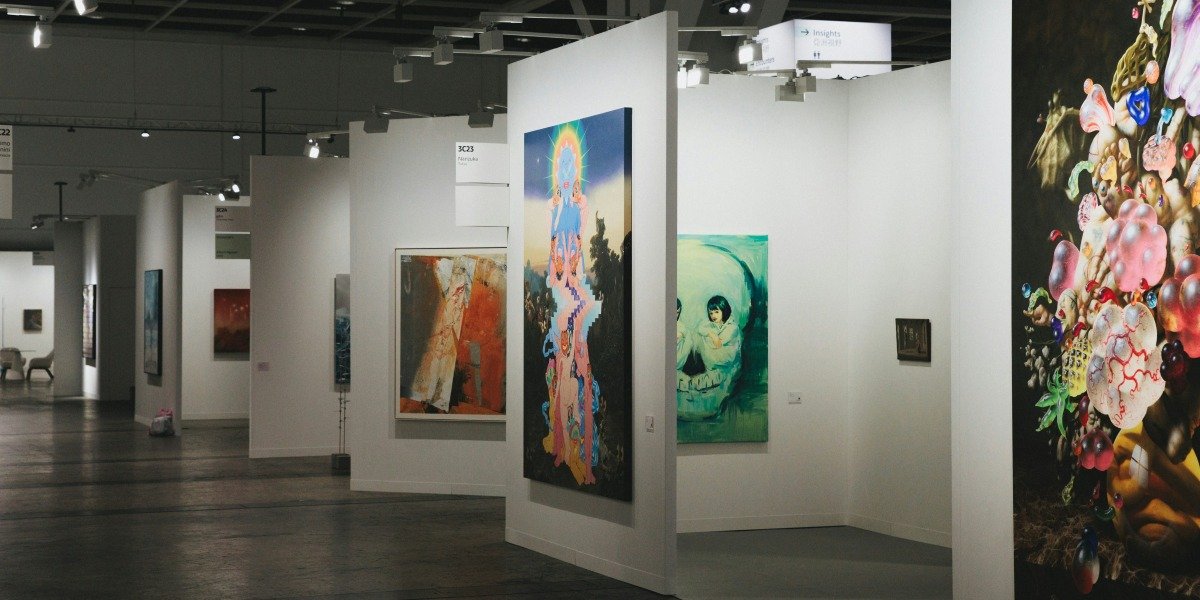
This mix of global and local voices shows how Miami is more than a host city. It’s part of the creative dialogue. Artists from abroad bring their work here, but they also respond to Miami’s energy, its neighborhoods, and its diverse communities.
For visitors, this creates a unique experience. They’re not just seeing art from around the world—they’re seeing how that art interacts with Miami’s identity.
The Economic and Cultural Impact
Art Basel isn’t only about creativity. It has a direct impact on Miami’s economy. Hotels, restaurants, and nightlife venues see a surge in business during the fair. For local entrepreneurs, it’s an opportunity to showcase their own work, whether in food, fashion, or design.
The fair also boosts Miami’s reputation. Being able to host an event of this scale shows that the city can handle global attention while still keeping its local flavor. That balance is part of why Art Basel Miami Beach has become a fixture on the international art calendar.
For residents, the benefits go beyond dollars. The fair reinforces Miami’s identity as a cultural city, not just a tourist destination. It shows that creativity is part of everyday life here.
Why This Year Feels Different
Every edition of Art Basel has its highlights, but this year’s mix of global galleries, interactive installations, and community voting makes it stand out. Es Devlin’s glowing library is already drawing attention, and the inclusion of Caribbean and Latin American voices adds depth to the fair.
For Miami, it’s another chance to show how art and culture are woven into the city’s rhythm. Whether you’re walking through Wynwood, visiting the convention center, or voting on the next public artwork, the fair touches different parts of life.
It’s not about exclusivity. It’s about connection—between artists and audiences, between global creativity and local identity, and between Miami’s neighborhoods and the wider art world.
The post Es Devlin’s “Library of Us” Lights Up Miami Beach During Art Basel appeared first on Miami Wire.